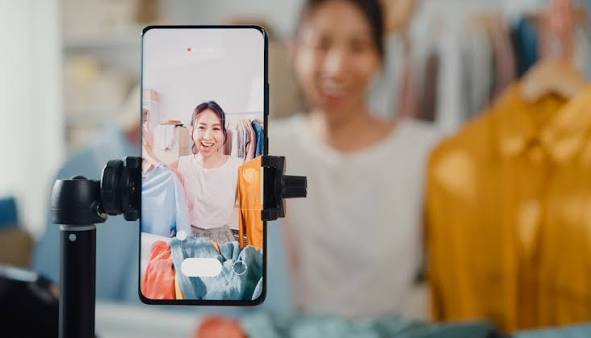
Live shopping mistakes can make a livestream look active on the surface but weak where it matters most: the buying decision. A seller may have viewers, comments, product links, and a host talking nonstop, but still lose sales because the product is not explained clearly enough, the offer feels rushed, or the platform does not match the buyer’s behavior.
This is why live shopping deserves a more serious look. It is not only a seller standing in front of a camera and saying “buy now” again and again. At its best, live shopping combines product demonstration, trust-building, entertainment, real-time questions, and a checkout path that feels easy for the viewer.
For English-speaking markets, the platform choice also matters. TikTok Shop positions selling around content, creators, and LIVE; Amazon Live focuses on shoppable livestreams where brands can educate and interact with customers; YouTube Shopping lets eligible creators promote products from their own stores or other brands, including product tagging during live streams.
Live Shopping Is A Product Story, Not Only A Discount Show
Many sellers treat live shopping like a loud discount event. They repeat the price, mention limited stock, and push viewers to buy quickly. That can work for some products, but it can also make the session feel cheap, stressful, or untrustworthy.
Buyers Need A Reason Before They Need A Reminder
A viewer does not always enter a shopping livestream ready to buy. Some are curious. Some are comparing. Some are unsure whether the product fits their need. Some are only watching because the host appeared on their feed.
That means the first job of a live shopping session is not always closing the sale. Sometimes, the first job is building the reason to care.
A stronger live shopping flow usually explains:
- what the product solves
- who the product is for
- how it works in real use
- what makes it different
- what buyers should check before ordering
- why the offer matters now
Without that story, the discount has no foundation. It becomes noise.
The Best Selling Moment Often Comes After Demonstration
In live shopping, demonstration is more powerful than description. Saying “this bag is spacious” is weaker than showing what fits inside. Saying “this skincare texture is light” is weaker than showing how it spreads. Saying “this kitchen tool is easy to use” is weaker than using it on camera.
The viewer needs to see the product doing its job. That is where trust starts.
6 Live Shopping Mistakes That Reduce Sales

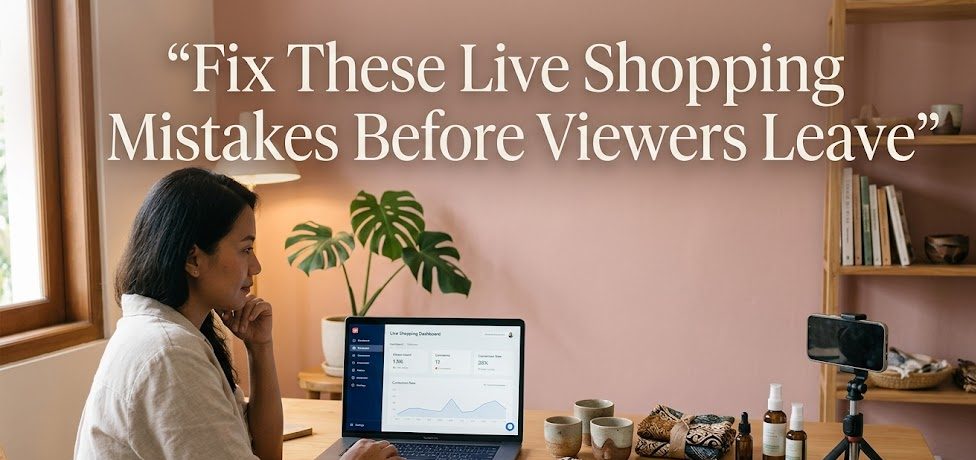
These mistakes are common because they do not always look serious during the livestream. The session may still feel busy, but the buyer quietly loses interest before reaching checkout.
1. Choosing A Platform Before Understanding The Buyer
The first mistake is choosing a platform only because it is popular. A seller may hear that live shopping works on TikTok Shop, Amazon Live, or YouTube Shopping, then assume every platform works the same way.
It does not.
Each platform has a different audience mood and buying habit.
| Platform Type | Better Fit For | Risk If Used Poorly |
|---|---|---|
| TikTok Shop style live selling | Discovery, impulse products, creator-led demos | Too much hype can make the product feel low quality |
| Amazon Live style shopping | Product education, comparison, brand trust | Weak demos can disappear inside a crowded marketplace |
| YouTube Shopping style content | Creator trust, longer explanation, review-based selling | Slow conversion if the audience is not shopping-minded |
| Instagram-style social promotion | Awareness, community, visual branding | Direct live checkout expectations may not match current tools |
Instagram can still support product discovery through social content, but sellers should be careful about assuming old Instagram Live Shopping features still work the same way. Product tagging in Instagram live broadcasts was discontinued in 2023, so it is safer to treat Instagram Live more as awareness or community content unless the account’s current commerce tools show otherwise.
The better question is not “Which platform is trending?”
The better question is “Where does my buyer already trust product recommendations?”
2. Showing Too Many Products Too Quickly
A crowded product lineup can make a live shopping session feel energetic, but it can also confuse viewers. When the host jumps from one product to another too fast, buyers do not get enough time to understand value.
This mistake often happens when sellers want to create urgency. They believe faster movement means more excitement. But for many buyers, faster movement means weaker memory.
A better product flow can look like this:
- Introduce one product clearly.
- Show the product in use.
- Explain the main benefit.
- Answer the most likely objection.
- Mention the offer or buying step.
- Repeat the key detail before moving on.
That rhythm gives the viewer enough time to process. Live shopping should not feel like someone throwing products across the screen and hoping one lands in the cart.
3. Making The Host Sound Like A Talking Advertisement
A live shopping host has to sell, but the session becomes weaker when every sentence sounds like an advertisement. Viewers can feel when the host is only pushing phrases from a sales sheet.
The problem is not selling. The problem is selling without usefulness.
A stronger host explains products like a helpful guide:
- “This is useful if you travel often.”
- “This may not be ideal if you prefer a larger size.”
- “Let me show how the zipper works.”
- “The color looks warmer under indoor light.”
- “Here is the difference between this and the cheaper version.”
Those lines feel more trustworthy because they help the buyer decide. A host who admits product limits can sometimes sound more credible than a host who praises everything.
4. Ignoring Buyer Questions That Reveal Purchase Doubt
In live shopping, questions are not interruptions. They are buying signals.
When viewers ask about size, material, shipping, return policy, durability, ingredients, compatibility, or color accuracy, they may be close to deciding. If the host ignores those questions, the sale may quietly disappear.
Common buyer questions include:
- “Is this true to size?”
- “Does it work for sensitive skin?”
- “How long does shipping take?”
- “Can this fit a laptop?”
- “Is the color the same in real life?”
- “What is the return policy?”
- “Is this safe for daily use?”
A good live shopping session should prepare answers before going live. The seller does not need to wait for confusion to appear. They can build answers into the product demo.
5. Creating Urgency Without Building Trust First
Urgency can increase action, but fake or excessive urgency can damage trust. If every product is “almost sold out,” every price is “today only,” and every minute feels like a pressure trap, viewers may stop believing the host.
This is especially risky for English-speaking audiences who may be more sensitive to return policies, customer reviews, shipping clarity, and buyer protection.
Useful urgency should be connected to real information:
- limited live-only bundle
- clear discount window
- actual stock limitation
- bonus item while supplies last
- seasonal offer
- shipping cut-off time
Bad urgency feels like shouting. Good urgency feels like clear timing.
The difference matters because live shopping is not only about the first sale. Sellers also need repeat buyers, reviews, and long-term trust.
6. Leaving The Checkout Path Unclear
A viewer may like the product but still fail to buy because the next step is confusing. This is one of the most painful live shopping mistakes because the interest is already there.
The seller should make the checkout path simple and repeat it naturally.
For example:
- “Tap the product card below the live.”
- “The first item in the carousel is the one I’m showing now.”
- “Check the pinned product if you want this exact color.”
- “The bundle is linked in the shopping tab.”
- “Make sure you choose the correct size before checkout.”
YouTube’s own live shopping guidance also points to preparation, product approval, tagging, and managing chat as part of the shopping experience, which shows that checkout clarity is part of the live format, not an afterthought.
If viewers have to search too hard, they may leave. Online attention is not patient when buying feels inconvenient.
A Better Live Shopping Strategy For Real Buyers
A useful live shopping strategy does not only chase hype. It understands how buyers move from curiosity to trust to purchase.
The Product Demo Ladder Makes Selling Easier
Sellers can use a simple demo ladder to make the session clearer:
| Stage | What The Host Should Do |
|---|---|
| Hook | Name the product problem quickly |
| Show | Put the product on screen clearly |
| Prove | Demonstrate the feature in real use |
| Compare | Explain difference from alternatives |
| Answer | Handle likely buyer doubts |
| Offer | Present price, bundle, or live deal |
| Guide | Show exactly how to buy |
This structure keeps the session from becoming random. It gives the host a sales path without sounding robotic.
The Best Products For Live Shopping Need Visual Proof
Some products work better in live shopping because they can be demonstrated visually. These include beauty products, fashion items, home tools, kitchen products, gadgets, fitness items, accessories, craft supplies, and products with before-after effects.
Products that need trust, comparison, or explanation can also work well if the host is prepared. The weaker fit is a product that cannot be shown, explained, compared, or made interesting in real time.
Live shopping needs something to reveal. If the product looks the same from beginning to end, the host has to work harder to create value.
Live Shopping Content Should Respect The Buyer
The fastest way to make live shopping feel low quality is to treat viewers as wallets instead of people. A good session gives buyers enough information to decide, not just enough pressure to click.
Honest Selling Can Still Be Persuasive
Honest selling does not mean soft selling. It means the host is clear, specific, and realistic. The product is shown properly. The offer is explained clearly. The limits are not hidden. The buying step is easy to follow.
That kind of selling can feel more persuasive because it lowers suspicion.
A Strong Session Can Continue After The Live Ends
A live shopping session does not have to disappear when the stream ends. Clips, product highlights, FAQ answers, demo moments, and customer questions can become useful content later.
This is especially important for sellers targeting English-speaking markets, where buyers may compare products after the live session before making a decision.
A live shopping stream can become a content asset, not only a one-time selling event.
The Shopping Livestream That Actually Helps Buyers Decide
Live shopping mistakes often happen when sellers focus too much on excitement and too little on decision-making. Viewers may enjoy the energy, but they still need product clarity, trust, answers, and an easy checkout path.
A better live shopping session works like a guided product experience. It shows, explains, compares, answers, and then invites the viewer to buy. It does not rush every person like they are already convinced.
For sellers, the goal is not only to make the livestream look busy. The goal is to help the right viewer feel ready enough to complete the purchase. That is where live shopping becomes more than noise. It becomes a selling format that respects both the product and the buyer.


Kavya Menon is a digital audience researcher with experience studying viewer behavior across education, gaming, shopping, wellness, and entertainment livestreams.
She previously worked with a media intelligence consultancy that analyzed how people discover and interact with live content.
Her writing explores emerging livestream categories, niche communities, audience preferences, and the changing habits of viewers across different platforms.